List: Top 100 Books by Harvard Book Store

Anna Karenina
Happy families are all alike; every unhappy family is unhappy in its own way. (C. Garnett, 1946) and (J. Carmichael, 1960)All happy families resemble one another, but each unhappy family is unhappy in its own way.All happy families resemble one another, every unhappy family is unhappy after its own fashion. (N. H. Dole, 1886)All happy families are alike; each unhappy family is unhappy in its own way. (Pevear, Volokhonsky, 2000)
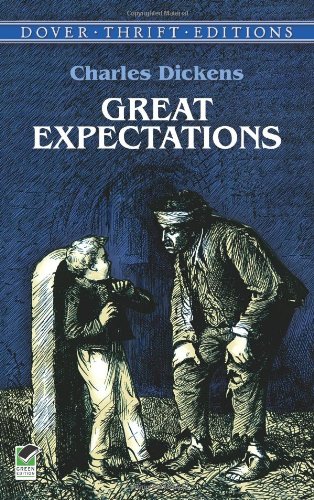
Great Expectations
My father's family name being Pirrip, and my christian name Philip, my infant tongue could make of both names nothing longer or more explicit than Pip. So, I called myself Pip, and came to be called Pip.

One Hundred Years of Solitude
Many years later, as he faced the firing squad, Colonel Aureliano Buendía was to remember that distant afternoon when his father took him to discover ice.Muchos años después, frente al pelotón de fusilamiento, el coronel Aureliano Buendía había de recordar aquella tarde remota en que su padre lo llevó a conocer el hielo.(Bulgarian)<br>Много години по-късно, пред взвода за разстрел, полковник Аурелиано Буендия щеше да си спомни онзи далечен подиробед, когато баща му го заведе да види леда.(Croatian)<br>Mnogo će se godina kasnije, pred streljačkim vodom, pukovnik Aureliano Buendía sjetiti tog davnog poslijepodneva kada ga je otac poveo da upozna led.(Czech)<br>O mnoho let později, když stál před popravčí četou, vzpomněl si plukovník Aureliano Buendía na ono vzdálené odpoledne, kdy ho otec vzal k cikánům, aby si prohlél led.(Dutch)<br>Vele jaren later, staande voor het vuurpeloton, moest kolonel Aureliano Buendía denken aan die lang vervlogen middag, toen zijn vader hem meenam om kennis te maken met het ijs.(Finnish)<br>Vuosia myöhemmin, seistessään teloitusryhmän edessä, eversti Aureliano Buendía muisti kaukaisen illan jolloin hänen isänsä vei hänet tutustumaan jäähän.(German)<br>Viele Jahre später sollte der Oberst Aureliano Buendia sich vor dem Erschießungskommando an jenen fernen Nachmittag erinnern, an dem sein Vater ihn mitnahm, um das Eis kennen zu lernen.(Hebrew)<br>שנים רבות לאחר־כך, כשיעמוד הקולונל אַאוּרליאנוֹ בוּאֶנדִיָה מול כיתת־היורים, ייזכר באותו ערב רחוק שלקח אותו אביו לראות קרח.(Hungarian)<br>Hosszú évekkel később, a kivégzőosztag előtt, Aureliano Buendía ezredesnek eszébe jutott az a régi délután, mikor az apja elvitte jégnézőbe.(Italian)<br>Molti anni dopo, di fronte al plotone di esecuzione, il colonnello Aureliano Buendía si sarebbe ricordato di quel remoto pomeriggio in cui suo padre lo aveva condotto a conoscere il ghiaccio.(Macedonian)<br>Многу години подоцна, наспроти стрелачкот вод, полковникот Аурелијано Буендија ќе се присети на тоа далечно попладне кога неговиот татко го одведе да узнае што е тоа мраз.(Norwegian)<br>Mange år senere, foran eksekusjonspelotongen, måtte oberst Aureliano Buendía tenke på den ettermiddagen for så lenge, lenge siden, da faren tok ham med for å vise ham isen.(Polish)<br>Wiele lat później, stojąc naprzeciw plutonu egzekucyjnego, pułkownik Aurelio Buendía miał przypomnieć sobie to dalekie popołudnie, kiedy ojciec zabrał go z sobą do obozu Cyganów, żeby mu pokazać lód.(Portuguese)<br>Muitos anos depois, diante do pelotão de fuzilamento, o Coronel Aureliano Buendía havia de recordar aquela tarde remota em que seu pai o levou para conhecer o gelo.(Romanian)<br>Mulţi ani după aceea, în faţa plutonului de execuţie, colonelul Aureliano Buendía avea să-şi amintească de după-amiaza îndepărtată cînd tatăl său îl dusese să facă cunoştinţă cu gheaţa.(Slovak)<br>O veľa rokov neskôr, zoči-voči popravnej čate, plukovník Aureliano Buendía si spomenul na to dávne popoludnie, keď ho otec vzal so sebou a on po prvý raz videl ľad.(Swedish)<br>Många år senare, inför exekutionsplutonen, skulle överste Aureliano Buendía påminna sig den avlägsna eftermiddag då hans far tog honom med för att visa honom isen.(Vietnamese)<br>Rất nhiều năm sau này, trước đội hành hình đại tá Aurêlianô Buênđýa đã nhớ lại buổi chiều cha chàng đi xem nước đá.
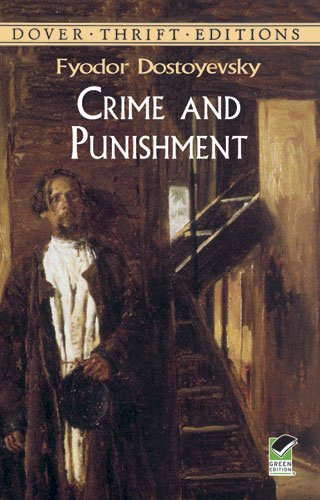
Crime and Punishment
On an exceptionally hot evening early in July a young man came out of the garret in which he lodged in S. Place and walked slowly, as though in hesitation, towards K. bridge. (Garnett translation)Toward the end of a sultry afternoon early in July a young man came out of his little room in Stolyarny Lane and turned slowly and somewhat irresolutely in the direction of Kamenny Bridge. (Coulson translation)On a very hot evening at the beginning of July a young man left his little room at the top of a house in Carpenter Lane, went out into the street, and, as though unable to make up his mind, walked slowly in the direction of Kokushkin Bridge.At the beginning of July, during an extremely hot spell, towards evening, a young man left the closet he rented from tenants in S____y Lane, walked out to the street, and slowly, as if indecisively, headed for the K______n Bridge. (Pevear and Volokhonsky translation)

Dead Souls
A small, rather smart, well-sprung four-wheeled carriage with a folding top drove through the gates of an inn of the provincial town of N.; it was the sort of carriage bachelors usually drive in: retired lieutenant-colonels, majors, and landowners with about a hundred serfs - in short, all those who are described as gentlemen of the 'middling' station of life.

Pride and Prejudice
It is a truth universally acknowledged, that a single man in possession of a good fortune, must be in want of a wife.
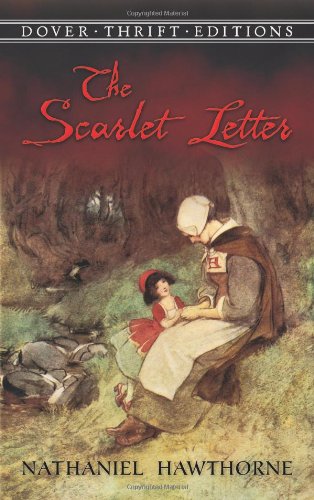
The Scarlet Letter
A throng of bearded men, in sad-colored garments and gray, steeple-crowned hats, intermixed with women, some wearing hoods, and others bareheaded, was assembled in front of a wooden edifice, the door of which was heavily timbered with oak, and studded with iron spikes.

Jane Eyre
There was no possibility of taking a walk that day. We had been wandering, indeed, in the leafless shrubbery an hour in the morning; but since dinner (Mrs. Reed, when there was no company, dined early) the cold winter wind had brought with it clouds so sombre, and a rain so penetrating, that further out-door exercise was now out of the question.

The Age of Innocence
On a January evening of the early seventies, Christine Nilsson was singing in Faust at the Academy of Music in New York.
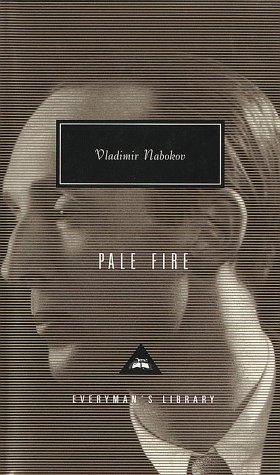
Pale Fire
I was the shadow of the waxwing slain / By the false azure in the windowpane.<i>Pale Fire</i>, a poem in heroic couplets, of nine hundred ninety-nine lines, divided into four cantos, was composed by John Francis Shade (born July 5, 1898, died July 21, 1959) during the last twenty days of his life, at his residence in New Wye, Appalachia, U.S.A.
🏆 Hall of Fame
Top rankings worldwide


